
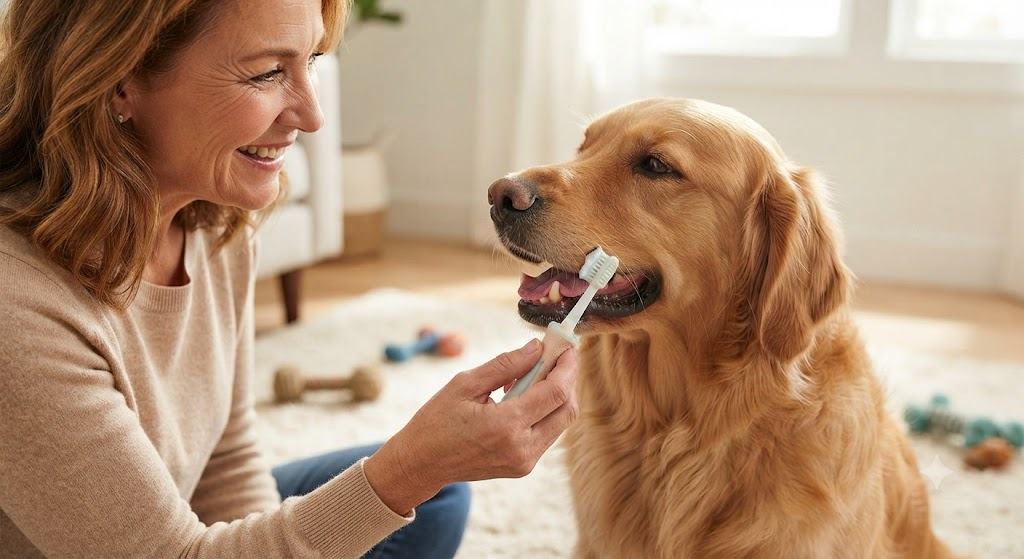

Many Pet Dental Care owners forget about teeth until a bad smell hits them. Your pet’s mouth is just as important as your own. Poor oral health leads to pain, tooth loss, and even heart issues. Starting a routine now saves you money and keeps your pet happy. Think of it as a simple hug for their mouth. When you brush their teeth, you are helping them live a longer, more active life. My own dog had tartar buildup once, and I learned the hard way. Now, we treat brushing like a fun daily game. It is easy to start, and your pet will thank you for the relief.
Spotting the Signs of Dental Trouble
You should look in your pet’s mouth every single week. Healthy gums are pink, not red or puffy. If you see yellow or brown gunk on the teeth, that is tartar. Bad breath is not normal for pets, despite what people say. If your pet drops food or drools a lot, they might have a sore tooth. Acting fast prevents a tiny problem from becoming a big, scary surgery. Always check their mouth gently during playtime to keep things stress-free. If you see something wrong, call your vet right away for a quick check.
Choosing the Right Toothbrush and Paste
Never use human toothpaste on your pet. It contains ingredients like xylitol that can be very toxic to them. Instead, buy a pet-safe paste that tastes like chicken or beef. Most pets love these flavors, making the process much smoother. Use a brush designed for pets, or even a soft finger brush. If your pet is scared, start by just letting them lick the paste off your finger. This builds trust and turns a scary chore into a tasty treat. Take it slow, and always reward them with a favorite toy afterward.
Creating a Daily Brushing Routine
Consistency is the secret to great pet dental care. You do not need to spend hours doing this. Just thirty seconds of brushing makes a massive difference in their oral hygiene. Try to pick a time when your pet is already calm, like after a long walk. Sit behind them so they do not feel trapped or nervous. Lift their lip gently and brush the outer surfaces of the teeth in circles. You do not need to worry about the inside surfaces too much. The tongue does a great job of keeping those areas clean on its own.
The Role of Dental Chews and Toys
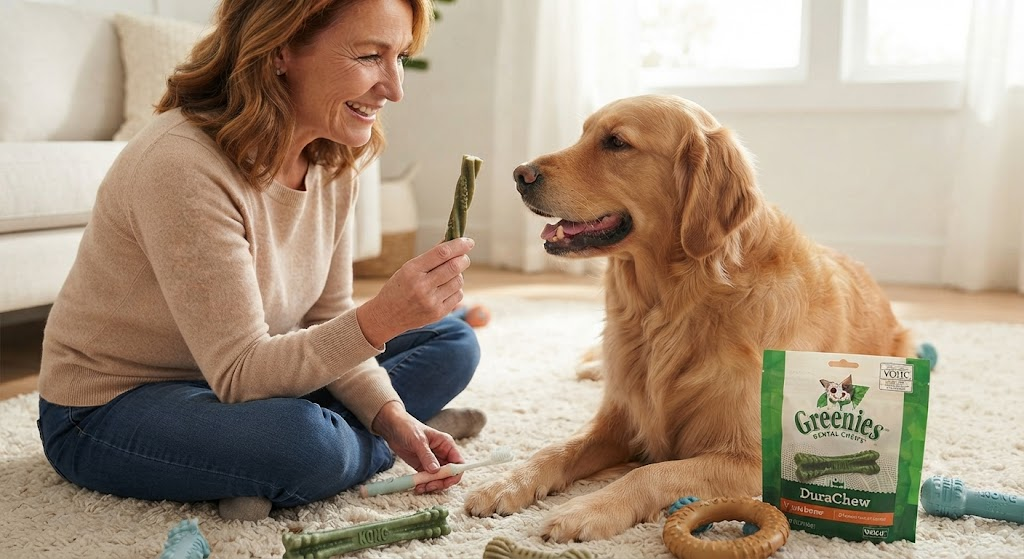
Not every pet will let you brush their teeth right away. That is okay, as dental chews can act as a helpful backup. These treats are designed to scrape away plaque as your pet bites down. Look for the VOHC seal of approval on the bag to ensure they work. Chewing toys also help massage the gums and keep teeth strong. Just remember, these treats are not a total replacement for actual brushing. Use them as a fun supplement to your main cleaning routine to keep their teeth shining bright.
Understanding Professional Vet Cleanings
Even the best home care cannot stop all plaque buildup over time. Your vet needs to perform a deep clean under the gum line annually. They use special tools to reach spots you cannot see. Plus, they can take X-rays to see if there are hidden problems. Think of this as a spa day for your pet’s mouth. It keeps their teeth stable and prevents infections from spreading through the body. Yes, it requires anesthesia, but it is very safe and vital for long-term health. Ask your vet about their cleaning process.
Diet Choices for Stronger Teeth
What your pet eats affects their mouth health more than you think. Dry kibble is often better than wet food for scraping teeth. Some brands even make special dental diets that are crunchier than normal food. These pieces are designed to break apart slowly to clean the tooth surface. Water additives are another cool tool to help fight bacteria in the mouth. Just add a drop to their water bowl each day. Talk to your vet about which diet plan fits your pet’s specific age and breed.
Managing Gum Disease Early
Gum disease, or gingivitis, is a common issue for many older pets. It starts when plaque turns into hard tartar near the gum line. If you ignore it, the gums may start to pull away from the teeth. This is very painful and can lead to loose teeth. You can prevent this by keeping up with your daily brushing and monitoring. Watch for bleeding gums or a loss of appetite. If you notice these, do not wait for the next annual visit. Schedule an appointment to get ahead of the pain.
Why Bad Breath Is a Red Flag
Many people think “dog breath” is just part of having a pet. This is actually a myth and a sign of trouble. A healthy pet should not have stinky breath all the time. Bad odors often come from rotting food stuck in tartar. It can also point to issues in the stomach or kidneys. If you brush their teeth and the smell stays, see your vet. It is better to be safe than sorry when it comes to your friend. Clear breath means a cleaner, happier, and much healthier mouth.
Handling a Difficult Pet
If your pet hates the brush, do not force it. You might need to use a soft cloth wrapped around your finger. Some pets do better with dental sprays or gels that you just wipe on. The goal is to get something onto the teeth and gums. Never yell at your pet for moving or squirming during this time. Keep your voice soft and use lots of happy praise. If they get stressed, stop and try again later. Patience is your best tool for successful pet dental care in the long run.
Long-Term Benefits of Dental Health
Good care now means fewer vet bills later in life. It also means your pet stays playful and happy as they get older. Pain in the mouth can make a pet grumpy or tired. By keeping their teeth clean, you are keeping their spirit high. It is a small commitment of time that pays off in big ways. You will enjoy more wet-nosed kisses without that nasty smell. Plus, you get the peace of mind knowing you are doing the best for your family. Start your journey toward better pet dental care today.
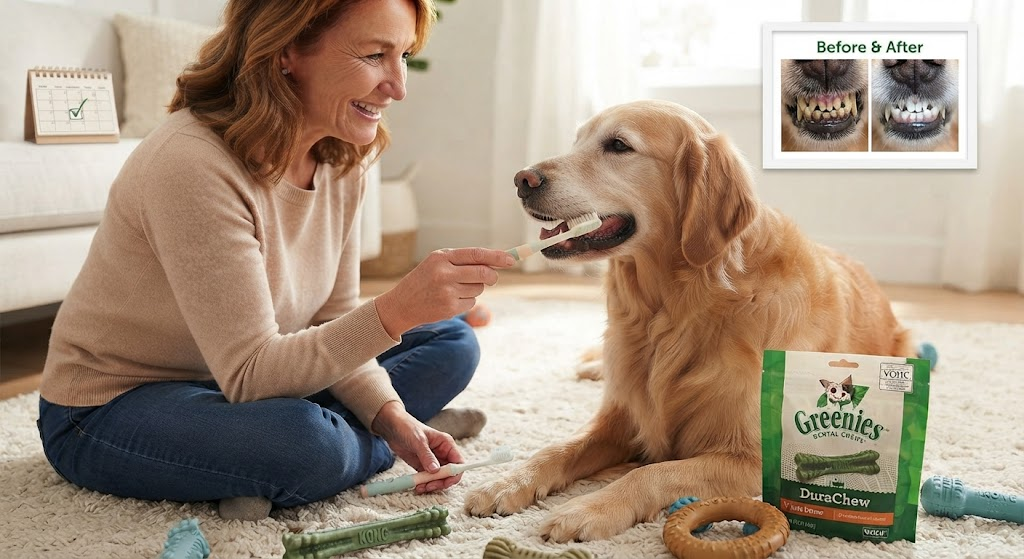
Detailed Summary Table: Pet Dental Care at a Glance
| Feature | Action Required | Frequency |
| Brushing | Use pet-safe paste & brush | Daily |
| Gum Check | Inspect for red or swollen areas | Weekly |
| Professional Clean | Visit your vet for deep cleaning | Annually |
| Dental Chews | Provide VOHC-approved treats | Daily |
| Diet | Use crunchy kibble or dental food | Always |
| Breath Check | Smell for foul odors | Daily |
Frequently Asked Questions
1. How often should I perform pet dental care at home?
Daily is best! Even just thirty seconds of brushing helps keep plaque from turning into hard tartar.
2. Can I use my own toothpaste to brush my pet’s teeth?
No, never use human toothpaste. It contains xylitol, which is very dangerous and toxic for pets.
3. What if my pet refuses to let me brush their teeth?
Try using a finger brush, a soft cloth, or dental sprays. Always reward them with praise or treats.
4. Why is my pet’s breath so bad even after brushing?
Bad breath can signal gum disease or other health issues. Please see your vet for a checkup.
5. Are dental chews enough to keep teeth clean?
They are great helpers, but they do not replace daily brushing. Use them as part of your routine.
6. At what age should I start a dental routine?
Start as early as possible! Getting them used to it as a puppy or kitten makes it much easier later.
Conclusion
Taking care of your pet’s teeth is a simple but powerful act of love. By starting a daily routine of pet dental care, you are protecting your friend from pain and serious illness. Remember, it is never too late to start, and even small steps lead to big results. Your pet relies on you for their health and happiness every single day. Why not grab a pet-safe toothbrush and get started tonight? Do you have any funny stories about your pet’s first time brushing? Drop a comment below and let’s share our experiences to help every pet smile bright!